Legislative Session 2026: MDOT District Engineers Matt Dunn, Brian Childs, and Andy McNair
MDOT presents the extra mile podcast.
Paul Katool:Welcome in to another edition of the Extra Mile podcast presented by the Mississippi Department of Transportation. I'm Paul Katool, and as always, I'm joined by my cohost Will Craft. Today, we've got three I think we we set the the extra mile podcast world record with three guests, three very special guests, and they are here to help us recap, winter storm Fern. And we have three, district engineers, and they had their areas probably more affected than than the others. So let's start and introduce everybody.
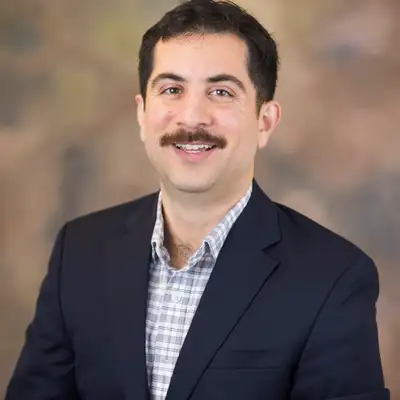
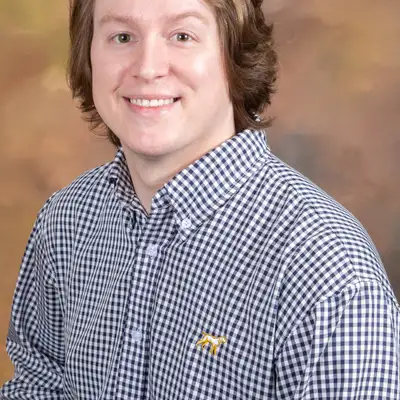
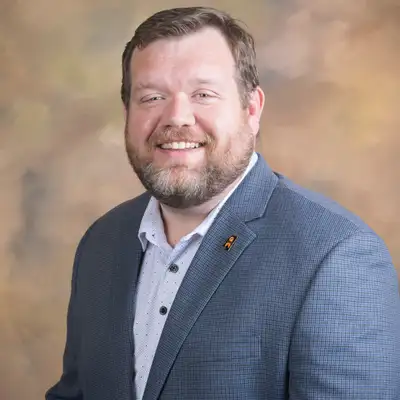
Paul Katool:Matt Dunn, district one engineer Matt Dunn right here. We've got district two engineer Brian Childs, and then we've got district three engineer Andy McNair. And, gentlemen, first of all, if y'all go down the line and just tell me how long you've been at MDOT.
Matt Dunn:Yeah, Paul. I've been with MDOT twenty eight years this January, so it's it's been a good a good ride. A lot of exciting times working for MDOT.
Andy McNair:I've been around about twenty four years. So with MDOT. And I've been here thirty five. I started in bridge division in 1990 and then did a long stint in traffic engineering, and I'm in my third year now in district three in Kansas City.
Brian Childs:Wow. So we're we're coming up
Paul Katool:on a a hundred years, nearly a century of experience at Dot. And so, yes. So we we've heard this word thrown around a lot, and we're waiting for some unprecedented events, but this is an unprecedented generational winter storm. So Matt, let's start with you. What made this winter storm Fern so different than other winter events that we've had in recent years or even going decades back?
Matt Dunn:Yeah, so I've heard the word generational a lot when talking about this storm. And what makes it a generational event for us is, you know, in District 1, we've had lots of winter events, probably yearly, where it'd be snow, sleet, sometimes freezing rain. But this one was different because it was a widespread freezing rain event with multiple inches of ice. But what made it unusual and unique for us is we have the ability to treat the roads and to plow the roads, but when we have a lot of employees that had downed power lines, downed trees, lost power, lost water. So it became a human factor in that.
Matt Dunn:So not only were we not able to get out there and and perform like we normally do because we had a lot of employees that were affected with the downed trees power lines and just couldn't get around on the highways like we normally do. Usual events, we get out, we plow, we treat the roads right away, but with this event we couldn't get out because trees are blocking our way, power lines in the way, And so that's what made it unique was it was just such a widespread devastation that we had to have multiple things we had to do to just to be able to perform the job of getting the roads cleared.
Will Craft:Yeah. No. I mean, again, as you said, all those things definitely took place. Let's look at even just a little bit back before it gets here. You know, we're having weekly meetings, I think even a week in advance or more, of the storm.
Will Craft:We're starting prep conversations. Brian, if you would talk a little bit about all the efforts that that did go into the pretreatment and the things that we did to get ready.
Brian Childs:Right. We we have weekly meetings there leading up to the the event and got to where they were daily meetings. National Weather Service was was warning us. It's gonna be bad. It's gonna be bad.
Brian Childs:We pretreated like we normally would everything. I mean, we got all our four lanes treated, all our northern half of our district pretreated. So all of our four lanes except with the exception of 82, we only got one lane treated only and on the outside lane, but we got all four lanes on all our four lanes treated with a pretreatment. But it can only go so far. I mean, you know, when the temperatures get down in the single digits like they did, it's it's basically starts with losing its effectiveness at that point.
Will Craft:So And we just have I mean, even, you know, all of our pretreatment efforts are going on. And at the same time, I think we're we're balancing doing the pretreatment with the incoming rain too to not wash off what we're dealing with. I think one other thing to add to to the whole conversation is the little bit technical here with the OGFC. I don't know that that was something that anybody sort of knew or thought about. I don't know how really new OGFC is.
Will Craft:It's open grade friction course. It's the type of asphalt you guys could I'm sure explain this better than me but you know just the the water penetrating some of those it's made to to move the water off the roadways, but then you did have some rain, I guess, getting frozen inside of that type of asphalt. Is that right?
Brian Childs:That's correct. Yeah. It's it's designed to allow the water to penetrate in. It's a porous asphalt to allow the water to get in, shed out. That way, it limits hydroplaning.
Brian Childs:It eliminates the mist that comes off behind vehicles during rain events. During the freezing rain, water gets down in there. It freezes, and then everything just sticks immediately and starts building up thicker and thicker.
Will Craft:I don't think there's anything we could do to keep water out of it. Right?
Brian Childs:Clearing this. Yeah. It's made to do that.
Will Craft:Do you do you think everything we tried to do pre treat did you get to do everything that you wanted to do?
Brian Childs:Yes. I mean, we we got all all the routes that we would normally pre treat. We got them all pre treated. I think we Actually, above and beyond what we'd normally do, for honest, we this event.
Will Craft:I I'm pretty sure I heard Brad say unprecedented. Again, talking about unprecedented, but the largest sort of pre treatment effort that we ever undertook. Yeah. It's just a crazy storm out there.
Paul Katool:No doubt. And, you know, we we you mentioned it a little bit, Matt, but, you know, we've increasingly had more kind of of these winter events over the years. So let's go to Andy. So have we have we increased the number of of plows, materials over the years that that that we've dedicated to specifically winter events?
Andy McNair:I don't know about increased. I really don't know what baseline we would be referring to, but we we deployed eight plows and eight motor graders in our district, and and that was not enough. I mean, we district seven came up and assisted us for a day before they got redeployed to district two. But we could always use more plows, more motor graders. Sure.
Andy McNair:No question there.
Paul Katool:Any other insights on that from other districts on, you know, have we ramped things up over the years in that regard?
Matt Dunn:I think we have because we have seen an increase in the amount of winter precipitation we have statewide. So as a result, we have increased the number of plows in our southern districts, which is District 6 around the Heisberg area, Macomb District down the Jackson Metro, even over in the Delta. So I think as statewide as an agency, we've seen the need to increase the number of winter weather fighting tools we call it, whether it be brine, salt, plows around statewide. So, yeah, I think as a whole, MDOT has seen the increase of winter weather and and tried to do what we could to increase our our presence out in the highways.
Will Craft:It is sort of one of those things that, you know, I didn't grow up with it. I can think maybe twice that it actually snowed, in my whole life here in Mississippi, but it does seem like this is becoming a little more commonplace. We're starting to see them the the time between these sort of events. And I know again something Brad has mentioned that, you know, the state's response to to hurricanes totally changed after Katrina hit. And I think this might be our catalyst to to even ramp up all the equipment and supplies, things like that you're talking about.
Will Craft:I forgot where I was about to go with that after that, but, just I I guess for all three of you, actually, you you mentioned it a minute ago, but so much of our workforce was impacted as well. You guys have any idea of sort of, like, percentage of your folks that were without
Andy McNair:power and water too? Well, we
Brian Childs:had I know in our district, we got about a 180 households. Now we've got some husband and wife employees that work. So we had a 180 households just in our district that was without power at one time. Wow. And and a lot of
Will Craft:them without some water as well. So I'm sure that those were a large part of your forces that wouldn't be out. Yeah.
Brian Childs:Man, they're they're out fighting this bus worrying about their family Sure. You know? So
Will Craft:I mean, godly. Stop and talk about that again for just one second. I mean, I can't even imagine. I've got two little kids, a five year old, a three year old. My wife is is about six months pregnant.
Will Craft:I'm sure that's maybe one or two of those situations similar up there, probably not that far off. I can't imagine, you know, to I know it's my duty and my responsibility professionally to get out there and help and and do that, but but having to leave them at home too and go. So I can only imagine. So, again, shout out to our employees and folks. Doing is everybody back to power and water?
Matt Dunn:Everyone has power again.
Will Craft:Praises be.
Brian Childs:Come on, mister. We had some that were probably thirteen, fourteen days out of power.
Will Craft:Gosh.
Andy McNair:The gun is I heard the same thing. We probably had close to 50% of our workforce Wow. But no power, a lot with no water. But if you look at where the ice hit our district, it was from about the Midpoint North, so kinda makes sense.
Will Craft:I don't know. This may not be an answerable question just to to any of you three. How do you manage that? How do you how are you communicating with those employees and figuring that out?
Matt Dunn:So a lot of the communication goes to the supervisor who knows his employees well and and knows their needs. And so we communicate daily with our supervisor to see what needs our employees have. Or do they have food? Do they have water at their house? What what do they need from us as a as MDOT family that we can do to support them so they can come to work and feel good about leaving their families behind as they're coming to to clear the roads for the drivers of Mississippi?
Will Craft:Yeah. Oh, tough tough spot. No doubt. Again, thank you. A shout out to all of our folks out there that that worked so hard in the storm.
Will Craft:They're still going through it. I'm sure, again, we'll get into this a little more, but the storm is over, but the the cleanup is still ongoing. Right? I mean, you guys are still working out there on that. I'm sure.
Paul Katool:So let's let's drill down circle back a little bit and drill down more into the to the ice. So what tell me how much I know Brian, you were saying there was up to 12 inches of ice on the on the roadway.
Brian Childs:We had some spots along in the Delta on Highway 61 that now there's hearsay, but a couple of our guys measured some spots that were probably within eight to ten, twelve inches worth of ice of solid ice.
Paul Katool:That's quite in that's quite intense. So So Matt, how about this? What makes ice so difficult to remove from the roadway? I mean, you kind of run up against mother nature at some point when you're trying to take care of the ice, correct?
Matt Dunn:Yeah. So ice is a different animal than sleet or snow. Sleet or snow you can plow. Ice is coming down as rain in this instance, so you can't plow rain. But as the ice is building, it builds very quickly.
Matt Dunn:And even a quarter inch of ice is nearly impossible to plow. We have motor graders that can dig into the ice, but when you start to see we saw thunder showers of ice, of freezing rain, lightning. So when you have supercells of rain that are falling with sub freezing temperatures, when it hits the ground it immediately freezes. So you may have seen a half of inch of ice on the power lines and on the branches, but on the road we were seeing inches of ice form. And really difficult because a plow doesn't have any downforce.
Matt Dunn:A motor grader is just about the only thing you can use to bite into the ice, but you have to shave it off. So think about ice at your house. If you have a block of ice, you can't use a knife to get it. You have to shave it sometimes just to get it down. So that's what we have to do.
Matt Dunn:We had to shave that ice to get it off the road.
Paul Katool:So what I'm hearing is under an inch of ice can be extremely like, you know, resistant. We got around 12 inches of ice in some areas, and we had 15,000 lane miles or something like that that was impacted by this, this sort of condition. So let me tell you, shout out to the MDOT crews because they were they were really, battling, something different up there. And then another question I wanna ask to kinda clear up a little bit of misconceptions. We got a lot of questions about, you know, like Memphis being clear.
Paul Katool:So it might seem wild, but they were getting different kinds of precipitation than we were. And so we were battling different things than they were. Correct?
Brian Childs:Yeah. I mean, the the Northwestern and Southwestern part of Tennessee got a little more sleet than than the ice. The, you know, sort of central part of the state is where the ice really came. Of course, they were fighting it over more in the central part of their state as well. I had conversations with their my counterpart with TDOT, and he he was base basically expressing the same thing that they were dealing with it, in the more central part
Matt Dunn:of their state. So And I always say that that one degree and and and one mile can make a whole lot of difference. So so, you know, in the areas where you have sub freezing temperatures and freezing rain is different than when you have sub freeze sub freezing temperatures and sleet or snow. That makes a huge difference in how you can able to to effectively treat and and, and clear the roadways.
Will Craft:Absolutely. And I mean, again, I've I've never seen anything like that level of ice. I mean, we were talking about this before we started rolling here. I don't know that I realized it was even the 12 plus inches there in some spots of the state. You just sort of mentioned this a little bit, but it was made I heard it made a point made regarding this at some point in the last couple of weeks dealing with that ice with the equipment we have.
Will Craft:We're talking about, you know, big snow plows and and motor graders. Possibly, we're right now showing an image of one of those. We've got a we've got one upstairs and we can capture it and throw it in here. Hopefully, you can see you know, I'm pointing here's the here's the image of a snow plow. But somebody said it's sort of like even again with the best of equipment that's out there.
Will Craft:It's kinda like using a butter knife to trim down some of that ice to shave it down. You can just can only be so impactful. What what makes it stick to the roadways? Why is it so is there I'm sure that's maybe a little more scientific than than anything I know. Any of you speak to that?
Will Craft:Why is it why is it the roadways that it impacts so bad that it stays with?
Andy McNair:I don't know how scientific this is, but roadways are are are rough surfaces generally, and and they're porous, especially the OGSC is porous. Right. So one other unique aspect about this storm is just when it began to thaw out a little bit and we started making some headway, it would refreeze at night. And not just freeze, but a deep freeze and a prolonged freeze. I think it Thursday was our peak temperature, and that's when we made the most progress in a day.
Andy McNair:And then by Friday, it was frozen again, and I think it stayed frozen through the weekend. And we were back plowing again Sunday. Yeah. So
Will Craft:That is something I absolutely that I I failed to mention there. We we did not get above freezing really there for about a week. And I think probably the biggest catalyst like you just mentioned was getting above that freezing temp and then allowing us to get out there and make headway.
Paul Katool:Chairman Maskell, he said there was still was it like a
Will Craft:Oh, yeah.
Paul Katool:A week or two after they were still experiencing eye like, the ice hadn't completely gone away, so that just kinda goes to show you further how how intense this this event
Matt Dunn:Not just intense, but how much it failed because that the three around there a few weeks later, that means there was that thickness of an ice everywhere.
Paul Katool:It's crazy.
Will Craft:Let's talk a little bit about recovery. I know you guys are are wide open out there, working hard, trying to get everything. How's it looking in your each of your districts as far as coming back from it?
Matt Dunn:So it's gonna take time. There's a lot of vegetation, lot of trees, lot of everything that fell we pushed out of the road. So the roads are clear, we have debris that's on the side of the road, not only from trees that fell on our right of way, but also that fell on private property that may have been pushed to the roadway. So I just ask that the public be patient. We have a plan We're we're enacting to begin to start to to get this debris picked up.
Matt Dunn:So over the next several months, you'll see crews out that'll start picking the debris up and hauling it. So just pay attention to those.
Will Craft:Yeah. Absolutely. You guys started calculating any of the reimbursement numbers looking at for MEMA, FEMA type stuff? What we any idea? Not yet?
Andy McNair:Not yet. We we've we've got the process started. Sure. We've we've got some some contracts approved to to contract with consultants to do the initial assessment.
Will Craft:I I fear that number is going to be quite large.
Brian Childs:Asked who we have. We we had 17 all 17 of my counties were somewhat affected. So wow. Wow. Yeah.
Will Craft:I mean, I would measure to say even this again since Katrina probably the largest impact as far as spread across the state. I can't think of anything that's been quite as as strong as that. One more thing just again bouncing around a bit here, but you mentioned numbers equipment. I wanted to ask you guys as far as equipment goes. Yeah.
Will Craft:I mean, we had again sort of an unprecedented amount of machinery and supplies out there on the road. Can y'all throw out any any of the numbers as far as that goes?
Brian Childs:We we've got about 17 motor graders in our district along with about 35 plus snow plows. Okay. And, of course, we we had all districts except for district three came to help. I mean and they brought the same amount. I'm gonna say one day on Interstate 22, we probably had close to 15 to 20 motor graders working on Interstate 22, which is incredible.
Brian Childs:It's just incredible. We did solicit some contractor help us with Yeah. And they they brought in some, and we're appreciative of that. So we'll help with some motor graders as well. So that's where we were at, the equipment wise.
Will Craft:No. I'll ask this too. I mean, how many how many blades do you think we went through? Changing those blades every time. I mean
Matt Dunn:That's what we're quantifying right now, but I'm gonna I'm gonna say many blades.
Will Craft:Yeah. Yeah. Just to get the the level, the thickness, the impact of that ice, nothing like I've ever seen before and pretty crazy. Know you we had maintenance folks and and and just different shop employees up there working on anything, changing out blades, getting equipment running. I think we escaped by and large any sort of major accidents or incidents with with the public running into anything.
Will Craft:Right? I don't think maybe one or two small incidents.
Matt Dunn:Yeah. We had we had an incident where where a truck was coming through, hit a power line, and and and fell over one of our trucks, narrowly missing one of our employees. But, you know, we we thankfully, the the the public wasn't out as much as they knew normally are during an event, and so the we are our guys were able to work and and get their job done without having a lot of conflict from people just out sightseeing. But as we all know, people still have to get the job done and get to work. And know, thankfully, we didn't have too many incidents out there on the road.
Brian Childs:We had we had one I'm aware of. We had a supervisor that was following one of our spreader trucks, and the spreader truck started to slow down to to salt a bridge, and he just slipped slid and Yep. Stopped and ran into the back. So he he was lucky. Several slip and falls, of course.
Brian Childs:Oh, really? On the on the ice.
Will Craft:So Just a little friendly fire.
Brian Childs:Hate your injuries. Thank goodness. Amen.
Andy McNair:How about you guys? We had one one incident that involved a motor grader in the public, Very minor. No injuries. And then the one injury we reported with our employees was a maintenance a mechanic change in plow. Oh, yeah.
Andy McNair:That's a big job. That is a big job. I mean, there You heard us saying, and then that that was all we had.
Will Craft:There was no respite for for the weary out there. I'm certain. The reason I asked that about the the safety stuff is I know you guys can attest this. We have spent a lot of time, effort, and money focusing on safety and and training folks. You don't want me out there doing anything that you guys are talking about working on, but I know that MDOT has again spent a lot of time and focused on training and making sure folks are prepared.
Will Craft:And again, in one of the worst of the worst for around generational, unprecedented, for us to have such minor damages, injuries, accidents, incidents with our own forces, I think it lends credence to that that that training is working and been helpful, and we'll continue that. Would you guys agree with that?
Matt Dunn:I definitely agree with that.
Paul Katool:We talk all the time, you know, blue sky days about how dangerous the the work is that that our crews do, but I mean, it's multiplied, you know, when it comes to a winter event like this or a emergency weather event. So really, just shout out to our the men and women of MDOT who are on the on the front lines there. You know, Will, if if you have anything else, but what do you do any of you have any kind of we can go down the line. Any lessons learned or anything like that after I know we're still kind of in the midst of this.
Will Craft:Things you tried that, you know, weren't sure, but they did work. You know, any anything like that.
Matt Dunn:I can just say this that every winter event is different, and it's kinda like football. You have a playbook, and you you get to prepare your team for the game to go to the game. But, you know, there's always things that can happen. And because of minor variations how winter event happens, you're you're calling the place play by play. And, you know, there's always lessons to be learned.
Matt Dunn:Even though you're prepared, even though you try your best, your team puts all effort they can into it, play their hardest, sometimes there's things we don't do right. You know, you punt the ball instead of of going on the fourth down. So there's just things that that we always learn and we learn from our mistakes. We learn from our strengths and weaknesses, and we do better next time. And that's what this event is.
Matt Dunn:It's a it was like I said, we we keep on saying generational, but it's one of those things that we learn. There are some things we could do differently, some things that we did right, and we'll just the next time we have something like this, we hope to be more prepared and and be able to to perform, you know, better.
Will Craft:Sure. I think one it was mentioned at some point, you know, we think sure it some things probably could have gone better, but we know a lot could have gone a lot worse. So by and large, again, a lot of real successes, victories. I mean, again, some of these challenges we faced And I guess I'll last thing for me here again, just shout out to our folks. You guys especially, y'all were running the show.
Will Craft:For those of you don't know that our district engineers are are the lead man in charge, man or woman in charge out there of the individual districts around the state. And so you guys were on the front lines the whole time out there. And again, with so many under your, you know, purview and you're you're trying to manage all those employees too. And again, not not on a blue sky, pretty day. They're dealing with probably some of the worst of their situations that they've ever experienced.
Will Craft:You know, if anybody up there is about my age in your district, I I have never been through anything like that. So I can only imagine some of your folks and what they were dealing with and going through. And I'm sure that they also share this sentiment, but we appreciate you guys and the leadership that you showed throughout
Paul Katool:that event. Depo, I was gonna say, if you're thinking to put this in perspective, the last time something like this happened, like me and Will were like maybe not alive. Yeah. Oh, that's a re yeah. That's kinda crazy.
Paul Katool:Yeah. Like very, very young. So so pretty wild there. And also, someone mentioned the National Weather Service earlier, but we wanna shout them out. What what was his name?
Paul Katool:Who was kind of updating us? Gosh. Now Maybe Michael. I believe. Yeah.
Paul Katool:He was great. He was feeding us some really good information. So yeah. No.
Will Craft:Any final thoughts, closing comments from you guys? Anything else you wanna share?
Matt Dunn:I just wanna say thank you to to my guys, my team that's in the district. I know all three of us feel the same way that that the teamwork they had together, the teamwork that we all used to to get to this event. They they worked long hours. They worked knowing their families were home without power and water, but they came in and they performed their job, performed it well. And I just, you know, wanna thank them from the bottom of my heart.
Brian Childs:I echo the same for my guys. Just thank them for everything they've done and also the leadership down here Jackson and the support, the the encouragement, the prayers, you know, for the families that were affected.
Andy McNair:No doubt. Yeah. Yeah. The, of course, the maintenance guys out there on the motor graders and plows, and they're the star of the show, obviously. But they had a lot of support.
Andy McNair:We we had our mechanics on the front lines up there with them. Our warehouse was open the whole time we were working. The EOC staff, safety officers, and then, of course, all the people here in Jackson that supported us and made sure we had what we needed. Public affairs did an outstanding job, I think, of covering everything that we did. So wanna recognize all those folks.
Will Craft:Did you hear that shout out? Thank you. No.
Andy McNair:There we go. Well well, thank
Paul Katool:you gentlemen for coming in and recapping winter winter storm fern. Like we like to say, we don't take snow days at MDOPPERS. We don't take ice days. Crazy times. Thank you again.
Paul Katool:We will go ahead and wrap things up there. Thank you to our listeners, our viewers for tuning into the Extra Mile podcast. You can watch and listen to episodes by visiting gom..com/theextramile. You can follow us on social media at Mississippi DOT is the handle. We wanna thank Drew Hall, Roy Atkins, and Billy Bob the sequel.
Paul Katool:Big episode, three guys behind the scenes. They do a tremendous job for us. Remember to drive smart out there on Mississippi highways.
Creators and Guests